As the shelf life of particular skills shortens and the pace of technological, economic and societal change accelerates, what should remain at the heart of a university education?
Sir Anton Muscatelli, President of the Royal Society of Edinburgh, will deliver a keynote exploring this topic, followed by a panel discussion with Lynne Embleton, CEO of Aer Lingus, Professor Stephen Kinsella, Professor of Economics at University of Limerick, and Professor Blánaid White, Executive Dean of the Faculty of Science and Health at Dublin City University.
The panellists will discuss:
- The purpose of university education in a world of changes, complexity, polarisation, misinformation and disinformation.
- The attributes graduates will need to navigate work, life and citizenship and which transversal skills are becoming increasingly important.
- The good practice already underway across our universities, including in the area of lifelong learning, that will equip people with the knowledge and capabilities for a rapidly changing world.
The event is being presented in association with the British Irish Chamber of Commerce and will be MC’d by IUA Director General, Paul Johnston, with an opening address from Professor Dáire Keogh, President of DCU and Chair of the British Irish Chamber of Commerce.
DATE: Friday 20 November TIME: 2pm-4pm
LOCATION: Heaney Theatre, St Patrick’s Campus, DCU / Online
Keynote
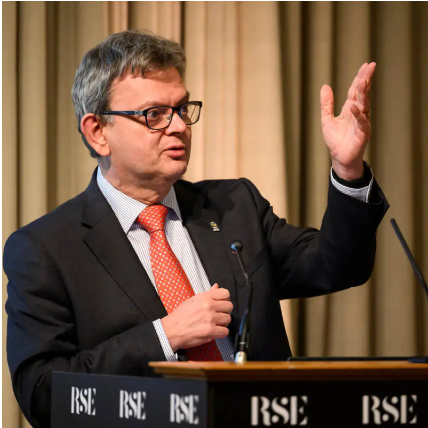
Sir Anton Muscatelli currently serves as President of the Royal Society of Edinburgh. He is also an honorary fellow in the Centre for Public Policy at the University of Glasgow.
From 2009 to 2025, he was Principal and Vice-Chancellor of the University of Glasgow, leading the institution through a period of significant growth and global recognition. Prior to this, he served as Principal and Vice-Chancellor of Heriot-Watt University from 2007 to 2009. From 2017 to 2020, he chaired the Russell Group, representing the UK’s leading research-intensive universities.
Sir Anton has held several influential advisory roles with the UK and Scottish governments, including Chair of the First Minister of Scotland’s Standing Council on Europe and membership of the Scottish Government’s Council of Economic Advisers.
Panellists
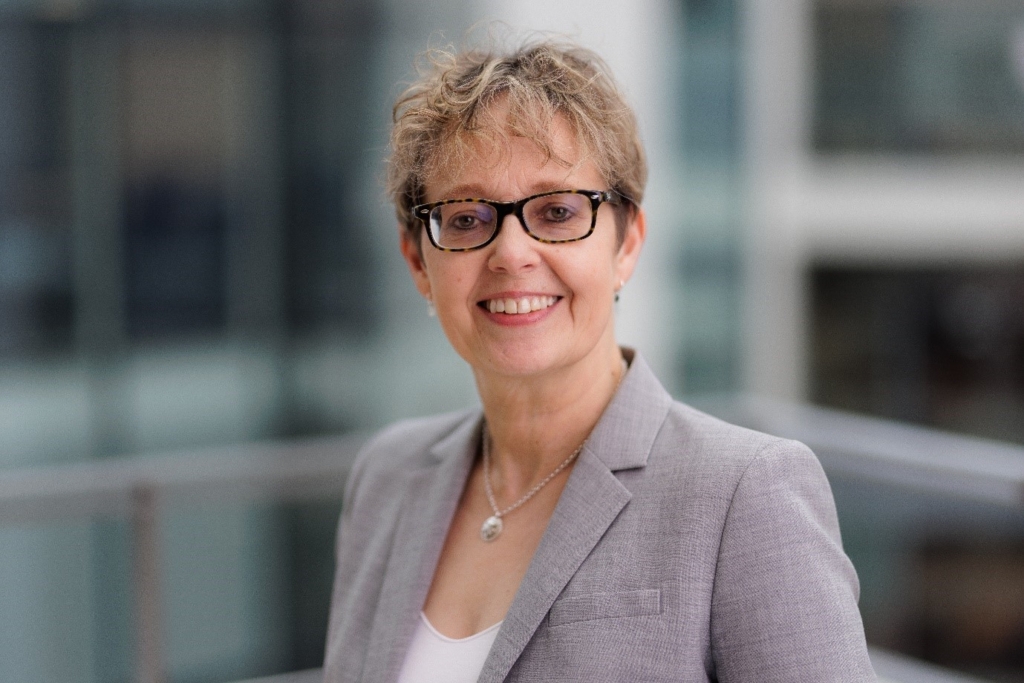
Name and Title:
Lynne Embleton
Chair and CEO, Aer Lingus
Description: Lynne joined Aer Lingus as Chief Executive and Chair in April 2021. Ireland’s national airline employs more than 5,000 people and serves over 11 million customers each year.
Before joining Aer Lingus, Lynne served as Chief Executive of IAG Cargo, an international air freight business, where she significantly expanded its digital capabilities. She also held several senior leadership roles at British Airways, including Managing Director of Gatwick, Director of Strategy, and Chairman of BA CityFlyer.
Lynne has also served non-executive Director with Ofgem, the UK energy regulator.
She is currently a member of the board of Ibec, Ireland’s largest business representative organisation.
A native of South Shields, in north-east England, Lynne holds a BSc in Mathematics, an MBA, and an MSc in Operational Research.
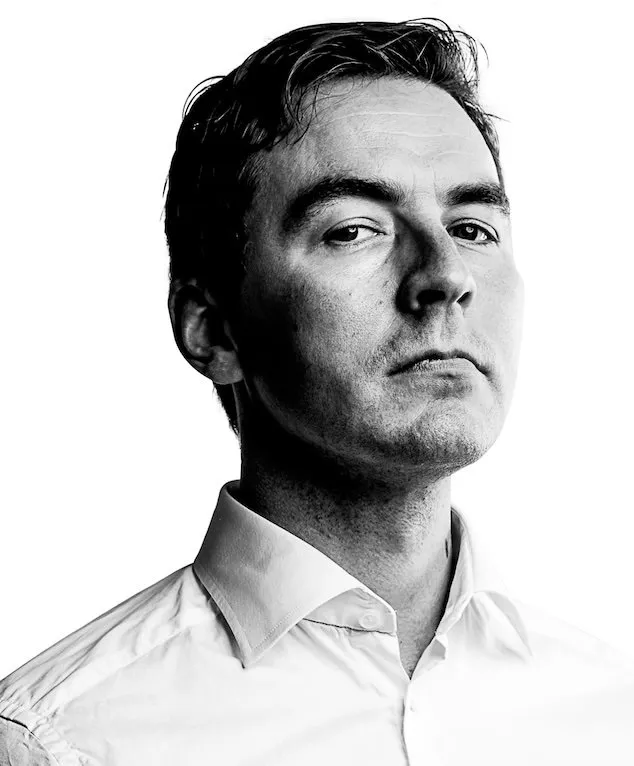
Name and Title:
Professor Stephen Kinsella
Professor of Economics, UL
Description: Stephen is full professor of economics at University of Limerick.
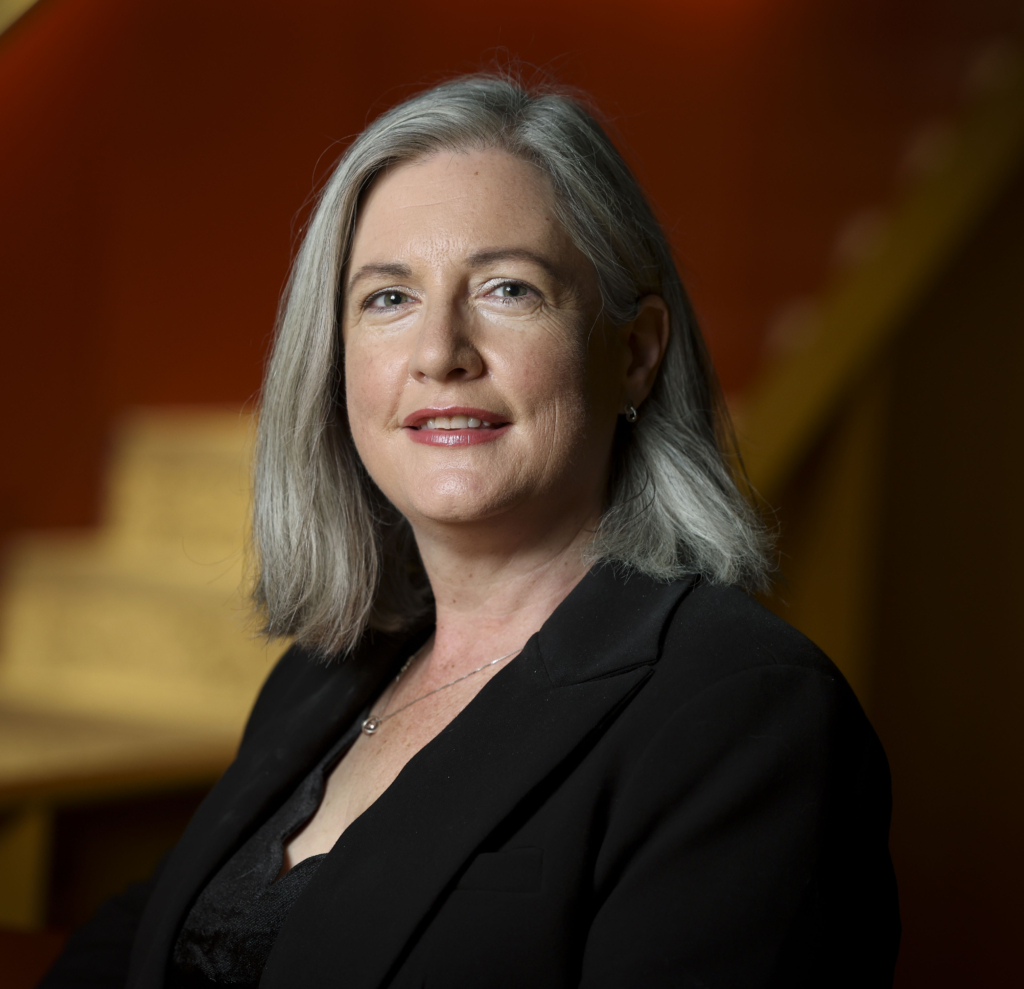
Name and Title:
Professor Blánaid White
Executive Dean, Faculty of Science & Health, DCU
Description: Professor Blánaid White is a member of Dublin City University’s Senior Management Team and a
strategic leader with responsibility for the academic, financial and operational excellence of seven constituent Schools, serving approximately 4,350 students and more than 400 academic, professional, technical and research staff.
Previously, Blánaid led DCU Futures, a university-wide education transformation initiative focused on radically reimagining the university curriculum and reconceptualising teaching and
learning.
She is also Professor in the School of Chemical Sciences, where she has previously served as Head of School, and is a Principal Investigator in the DCU Water Institute. Her research focuses on the development and application of innovative technologies for
the investigative and regulatory monitoring of known and emerging contaminants in food, soil and water, supporting national and international policy development and
evidence-based decision-making.
Blánaid has extensive experience in strategic leadership and change management within higher education, with a particular focus on delivering organisational and educational transformation.