Pharma and Med Tech
Every year, thousands of people in Ireland face serious illnesses that are caught too late or treated in ways that are hard on the body. Our university researchers are working to change that, finding smarter, kinder ways to detect, treat and manage some of the most common and devastating conditions people face.
How we’re helping:
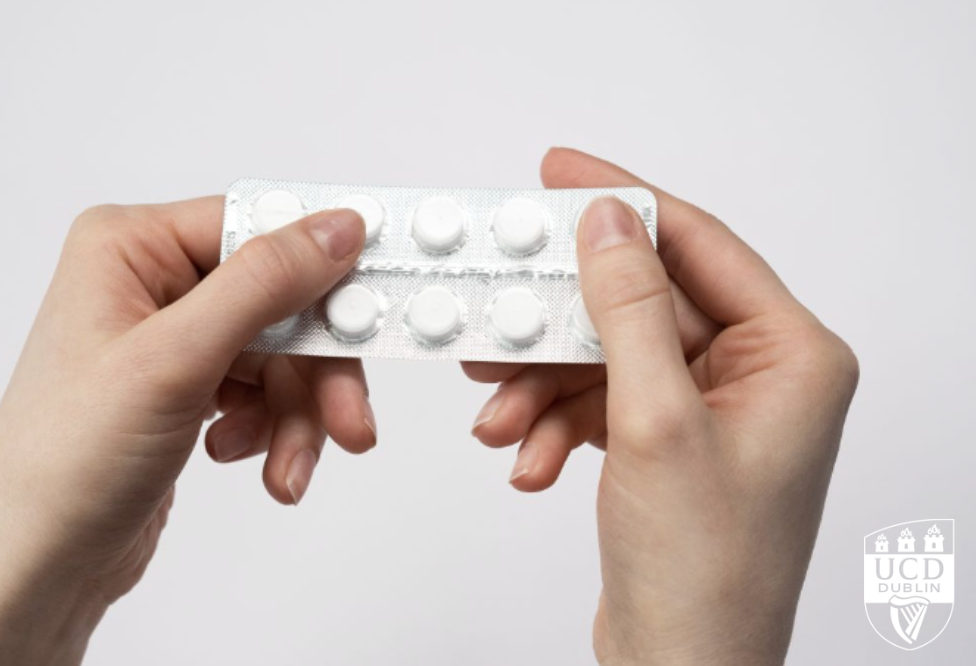
UCD are developing oral peptide treatments for diabetes, as an alternative to needles
The Challenge: When insulin is given orally it gets broken down in the intestine and doesn’t cross the gut wall meaning very little of it enters the bloodstream.
The Solution: A nanoparticle filled with insulin to create an oral tablet in preference to diabetics using injections, this is particularly valuable to diabetics with a phobia of needles.
University Delivery: A UCD research team led by Prof David Brayden, Professor of Advanced Drug Delivery, has an international reputation in non-invasive administration of peptides and proteins, especially by the oral route. David is the coordinator of BUCCAL-PEP (due to commercialise soon) and runs a team of PhD and postdoctoral scientists funded by the EU. The UCD team is central to research for the design of the BUCCAL-PEP patch.
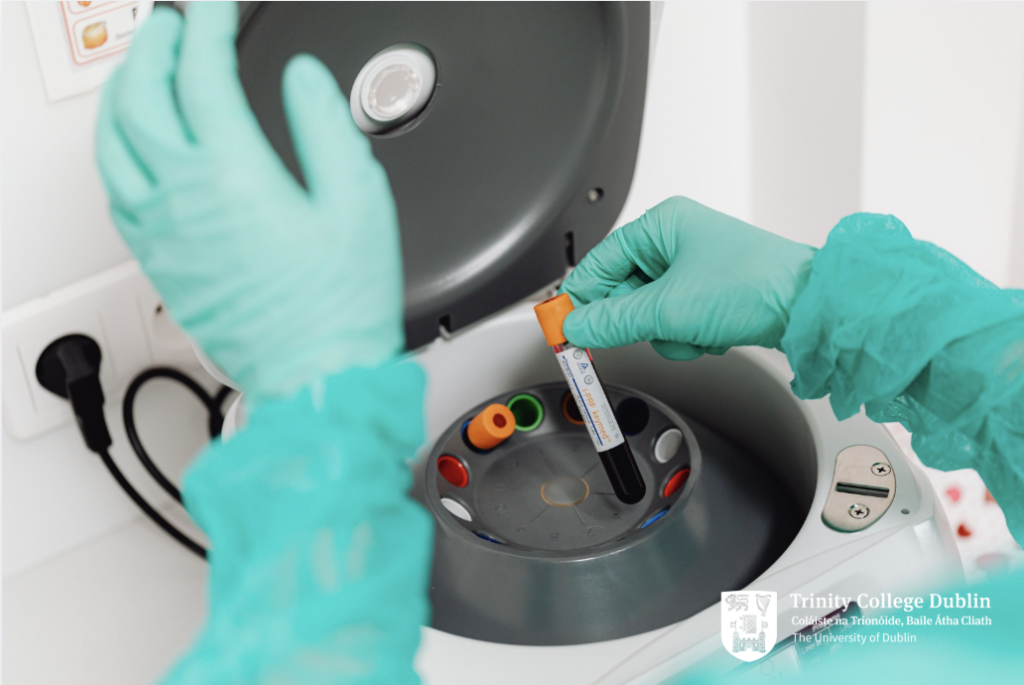
TCD are designing a simple blood test that could change screening for bowel cancer
The Challenge: Colorectal cancer affects around 2,500 people in Ireland every year. Over 60% of cases are diagnosed too late, largely because current screening methods are invasive and unpopular, meaning over a third of eligible people skip them entirely.
The Solution: A simple, accurate blood test that detects colorectal cancer earlier, is easier for patients to access, and could replace the need for invasive screening methods.
University Delivery: Dr Emma Creagh and Dr Kieran Clarke, Trinity School of Biochemistry and Immunology, are developing CASPDx, a blood test that identifies colorectal cancer earlier by detecting inflammation markers. Funded with €670,000 and developed alongside clinicians at St Vincent’s University Hospital, the team aims to launch it as a company by 2027.

DCU are turning used coffee grounds into potential cancer treatments.
The Challenge: Chemotherapy can be effective but hard on the body. Finding ways to target cancer cells more precisely, without damaging healthy tissue, is one of the biggest challenges in cancer treatment.
The Solution: Using tiny nanoparticles derived from waste materials to carry and deliver anti-cancer drugs directly to cancer cells, reducing side effects for patients.
University Delivery: Prof Silvia Giordani, DCU School of Chemical Sciences, led research that turned used coffee grounds into carbon dots, tiny nanoparticles that showed potential to inhibit breast cancer cell growth in the lab while leaving healthy cells unaffected. The study, funded by Breakthrough Cancer Research and Research Ireland, was published in the journal Nanoscale.
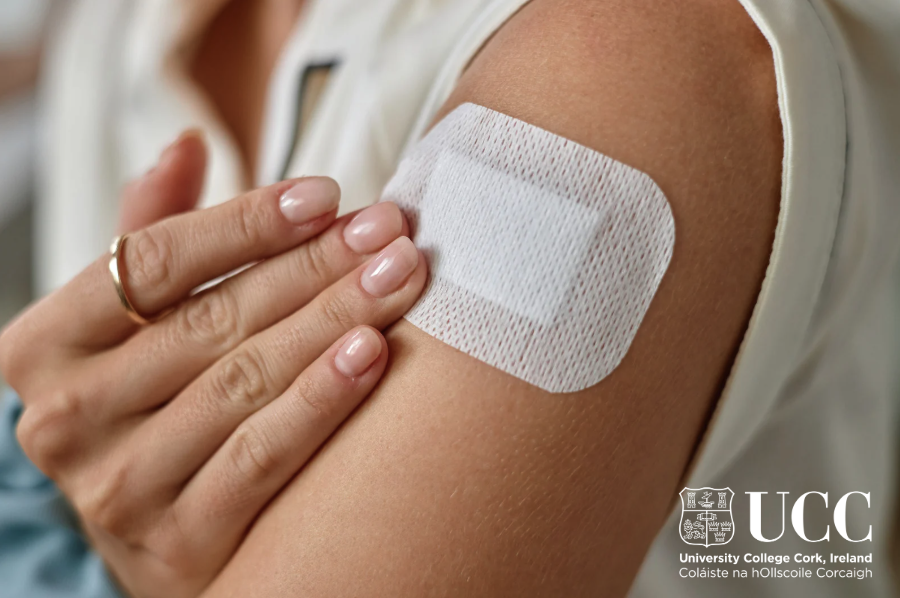
UCC is pioneering drug-only microneedle arrays for targeted skin cancer treatment.
The Challenge: Treating skin diseases, including skin cancer, often involves systemic drug delivery that can expose the whole body to side effects while delivering only a fraction of the treatment to the affected area. Finding a way to concentrate medication precisely where it’s needed while minimising harm to healthy tissue is a major clinical challenge.
The Solution: A new type of microneedle patch manufactured almost entirely from the active drug itself, enabling high local drug concentrations in the skin while limiting systemic exposure and side effects.
University Delivery: Mohamed Elkhashab, a PhD researcher in the School of Pharmacy at UCC, is developing drug-only microneedle arrays under the supervision of Professor Abina Crean and Dr Sonja Vucen. This could support more targeted treatments for skin cancer and other dermatological conditions, concentrating treatment at the disease site. His research is funded by Research Ireland and supported by SSPC, the Research Ireland Centre for Pharmaceuticals.
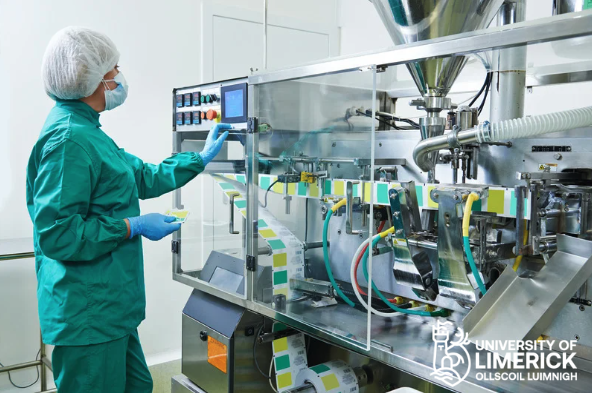
UL is doing research into better, cheaper and greener medicines.
The Challenge: Deliver personalised medicine while ensuring a safer and more sustainable method of manufacturing medicines.
The Solution: Use disruptive technologies to enable on-demand manufacture of drugs designed to individual needs and improve the materials used in orally delivered medicines.
University Delivery: Professor Mike Zaworotko and Professor Sarah Hudson, Bernal Institute, are developing predictive modelling tools to make screening for crystalline materials faster and less costly. These materials are the active component of almost all orally delivered medicines. Professor Gavin Walker, Department of Chemical Sciences and Bernal Institute, is researching how continuous processing can replace large batch manufacturing, resulting in higher quality medicines with less batch-to-batch variation.
University of Galway is equipping innovators to transform unmet healthcare challenges into solutions.
The Challenge: Many promising healthcare innovations fail to reach patients due to challenges in translating clinical needs and academic research into viable medical technologies. Innovators often lack access to the multidisciplinary expertise, structured innovation processes and industry networks needed to bring solutions to market successfully.
The Solution: Bring together multidisciplinary teams of clinicians, engineers, scientists and business experts to identify unmet healthcare needs and develop innovative medical technologies, and equip innovators with the skills, mentorship and industry connections required to transform ideas into solutions.
University Delivery: Delivered in University of Galway, BioInnovate is Europe’s only affiliate of Stanford Biodesign and brings its internationally recognised approach to the unique strengths of Ireland’s medtech ecosystem. Its alumni have created 36 companies that have raised more than half a billion euro in investment, led to 2,000 highly-skilled jobs in the western region and developed technologies benefiting more than 20,000 patients worldwide.