Seven PhD Students will battle it out in the 2026 IUA National ‘Three Minute Thesis’ Competition
Seven PhD students from across Ireland will battle it out this December to be crowned the IUA National ‘Three Minute Thesis’ winner.
All seven students were winners of the individual university competitions held earlier this year at Dublin City University, Maynooth University, Trinity College Dublin, University College Cork, University College Dublin, University of Galway and University of Limerick.
The annual competition is a celebration of PhD research, which challenges participants to communicate years of research in just three minutes, using just one slide. By distilling down their research into three minutes, the competition opens up complex PhD research to the public and cultivates the students’ academic, presentation, and research communication skills.
Join us at the Royal College of Physicians on 16 December where the 2026 IUA ‘Thesis in Three’ winner will be announced.
Registration coming soon!
Date: Wednesday 16 December
Location: Royal College of Physicians, 6 Kildare Street, Dublin 2
Meet our finalists

Name and Title:
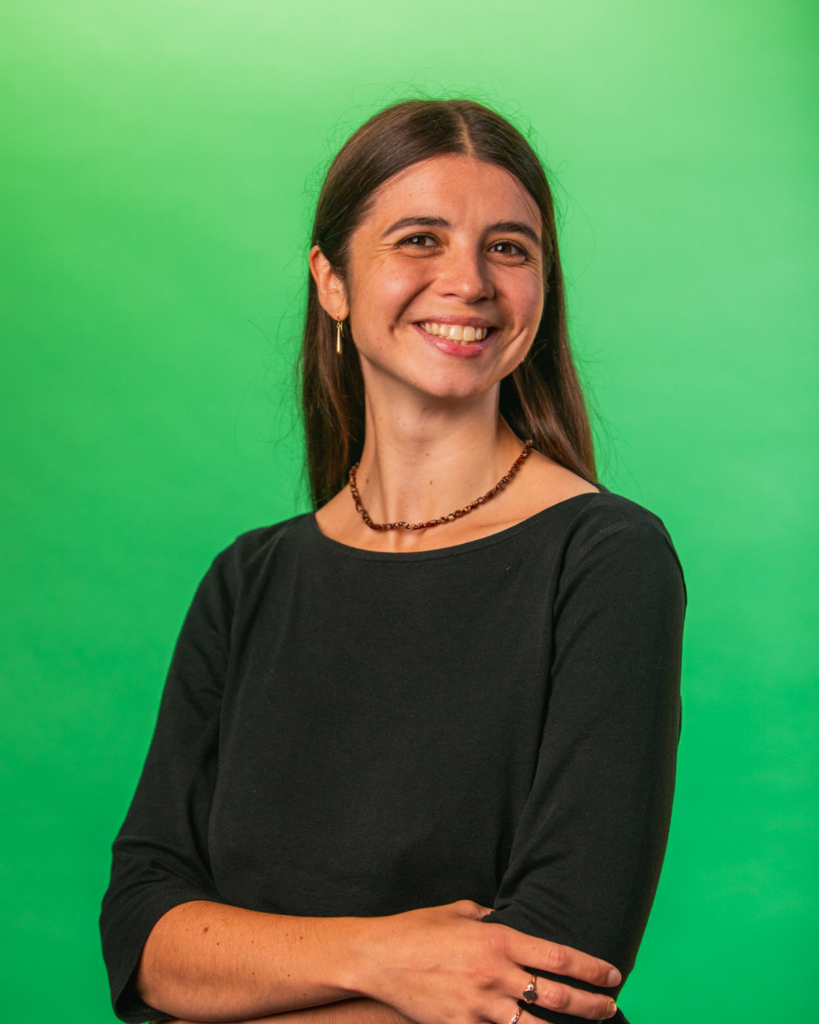
Corey Alwell
Trinity College Dublin
Link: Watch Corey's video
Description: SUBJECT: Ancient DNA
In my research I take very (very!) old human bones, extract and read the DNA code, and use this code to find out as much as possible about a deep past that was once almost completely inaccessible.
Novel techniques are allowing us to reach deeper into this past, in my case, back as far as the very first group of people to settle in Ireland – Hunter-Gatherers. With a handful of Hunter-Gatherer bones, I set out to understand as much about these enigmatic people as possible, to use their DNA to fill in gaps in our knowledge about these people who lived before prehistory itself. Along the way, I also hoped to improve and test current bioinformatic software we currently use to explore the deep past, suggesting best practices and creating new pipelines to help future researchers.
I’m fascinated in a time before history, particularly in a time where it was once impossible to know anything. DNA is such a rich source of information that offers a window into a time once completely shrouded in mystery. Learning about the first people of this island, how they lived, how they formed societies, and how their population changed is a fundamental and core piece of the earliest parts of Irish prehistory. I hope people will recognise the diversity of human societies and are equally fascinated about how the first settlers lived and interacted.
Taking part in the ‘Thesis in 3’ competition at TCD was a realisation that my research is actually cool and interesting. Sometimes you can get so bogged down in the weeds, in the code and the data, that you forget that the bigger picture is actually novel and impressive. It was only by taking a step back and having to summarise my research in three minutes that I think I realised this. It also helped improve my confidence and self-belief, knowing that other people also find my research cool.
Name and Title:
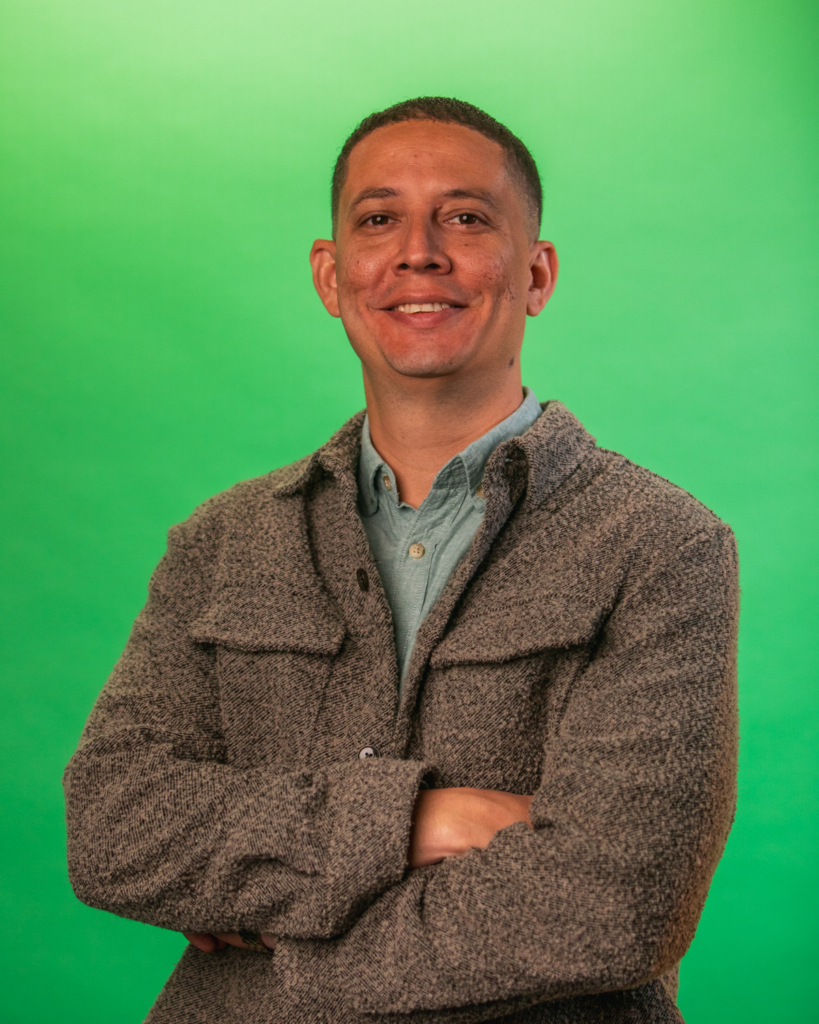
Grace Barnes
University of Galway
Link: Watch Grace's video
Description: SUBJECT: Disability Law & Policy
My research examines the operation of disability, gender and sexual stereotypes in the case-law of the European Court of Human Rights. Disabled women are used to coercive decision-making in their daily lives, and in human rights law this should be challenged. The purpose of this project is to further understandings of how the language of powerful actors can shape the sexual identities and access to sexual rights of disabled women.
I grew up with severe chronic illness and during my undergraduate law degree, I underwent major surgery as part of my treatment which left me with a physical disability. This has motivated me to undertake this research – as a disabled woman trying to understand the construction of mine and others’ sexuality by people with the power to make decisions about disabled bodies.
The impact I would like to see from this research is judges and litigators contributing positively to identity construction of marginalised groups through decision-making which increases their agency, rather than passively depending on stereotypes. I hope to demonstrate that not only the final decision, but the processes through which human rights decisions are made are significant in shaping the lives of the people subject to them.
Participating in the ‘Thesis in Three’ competition at the University of Galway was really exciting. It was a welcome break to engage in a process which felt playful. The three-minute script and the communication skills I developed have helped me talk about my research during meetings, interviews and workshops. I discovered that although I will spend years conducting my research and explaining it in tens of thousands of words in a thesis, its value lies greatly in my ability to communicate it accessibly to my peers and to the public.
Name and Title:
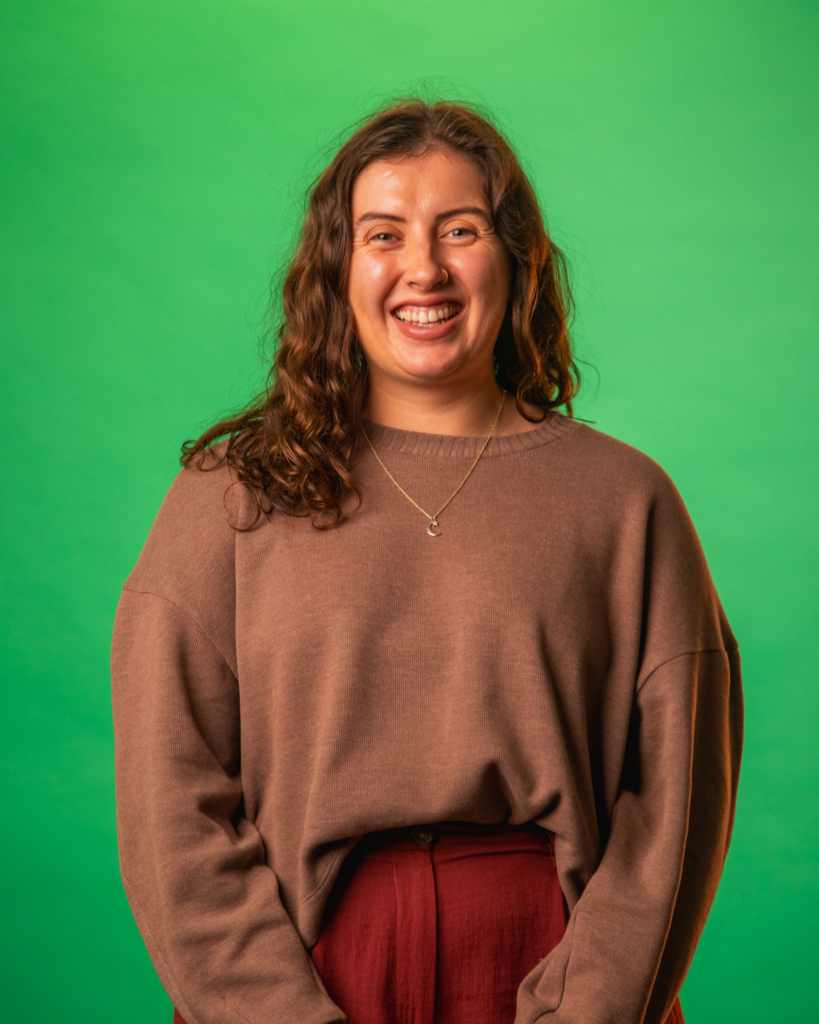
Ernesto Batisa Sanchez
University of Limerick
Link: Watch Ernesto's video
Description: SUBJECT: Tourism
My research explores how a smart tourism framework can provide timely data to tourism managers, using the Cliffs of Moher Experience as a living lab. It examines how data-driven approaches can support smarter visitor management, improve the visitor experience, and contribute to more sustainable tourism development. I hope my research can help bridge the gap between the concept of smart tourism and its practical application.
In Ireland, the tourism industry employs more than 228,000 people and contributes significantly to the economy and regional development. However, for Ireland to remain competitive, the industry’s subsectors, including visitor attractions, must provide unique and authentic experiences, and this can only be achieved by understanding who our visitors are, what motivates them to travel and, importantly, what they will remember after they leave.
A key outcome of my PhD has been developing a methodology based on the smart tourism approach, bringing together different sources of visitor data to generate useful tourism intelligence, which is being applied at the Cliffs of Moher Experience, Ireland’s most visited natural attraction. For me, that is one of the greatest successes of the PhD – knowing that the research is not only contributing to academic knowledge but can also supporting real-world tourism management and decision-making.
Engaging in the ‘Thesis in 3’ competition at UL was a really gratifying experience. One of the biggest challenges was condensing several years of research into three minutes and explaining why it matters to an audience that may know very little about my field. It helped me become much more confident in public speaking and in communicating research in a simple, engaging way. It made me think differently about how I tell the story of my research, rather than simply presenting the academic details.
Name and Title:
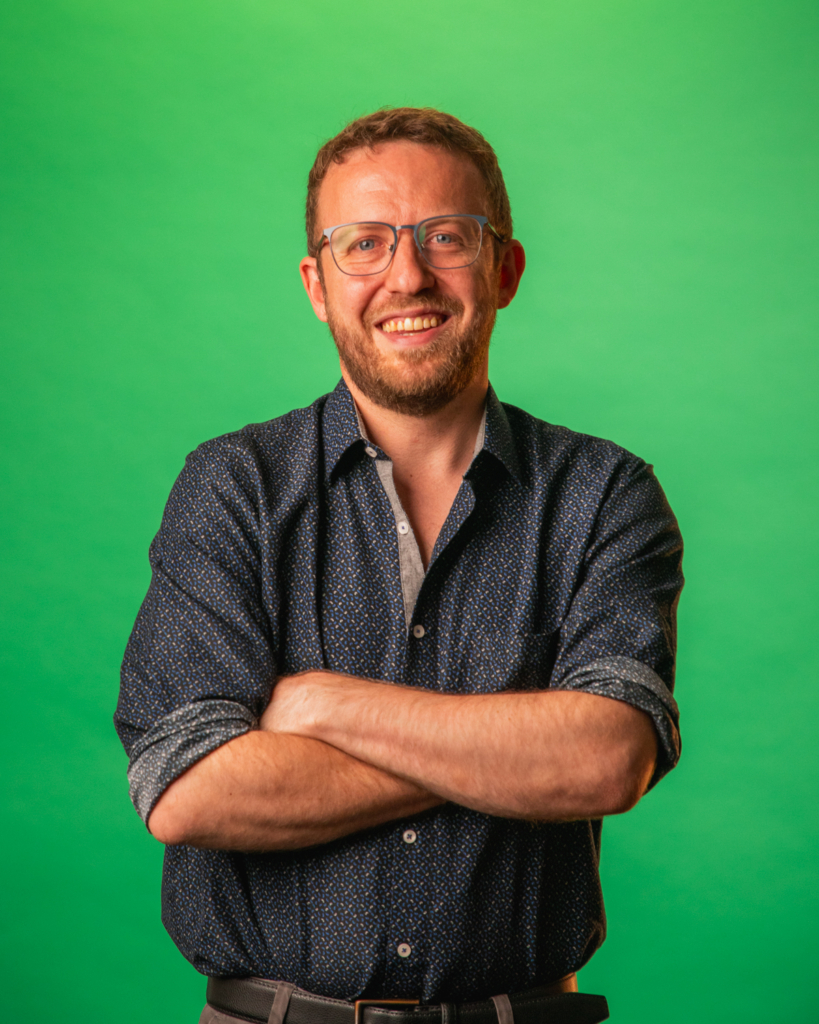
Ciara Tobin
Dublin City University
Link: Watch Ciara's video
Description: SUBJECT: Materials Chemistry
The purpose of my research is to use the method of electrospinning to produce non-woven fibrous mats and then take several layers of these mats and compress them together using a tool which supplies heat and pressure. This method produces a different type of filter for water filtration. The final step is to imprint structures on the surface of these layered membranes which are known to be non-stick and anti-bacterial, preventing the filters from clogging and requiring replacement.
My interest in this topic is down to two major issues which my research aims to address. The first being the lack of access to safe drinking water across the world and the second is the issue of anti-microbial resistance which is tackled through the addition of structures.
I hope my research will have an impact on both the water filtration industry by providing more access to clean drinking water but also that it has an influence on fighting anti-microbial resistance through the use of these structures which work purely by physical means, meaning there is less need for antibiotics and chemicals to kill bacteria.
Participating in the ‘Three Minute Thesis’ competition at DCU was hugely beneficial in a number of ways. It made me more comfortable to speak to a large audience, but what I enjoyed most was the way in which everyone was able to make their research so understandable to the audience. I think research is sometimes dismissed by people very quickly but the ‘Thesis in Three’ competition made it so easy for everyone to engage with research, which was my favourite element of the competition.
Name and Title:
Brian Rice
University College Dublin
Link: Watch Brian's video
Description: SUBJECT: Environmental Science
My research investigates the potential for restoring the highly threatened native Irish oyster species to some of their historic ranges in Ireland and across Europe. I’m particularly interested in working with species that have been heavily impacted from both environmental and human pressures and how to protect and restore those impacted species.
If native oyster restoration is supported at scale, there is potential to help recover habitats that have been missing from parts of Irish coastal waters for over a century. I hope my work contributes to making restoration more targeted, realistic, and evidence-based, so that future projects have a stronger chance of success and can contribute to biodiversity recovery, coastal habitat restoration, and improved ecosystem function.
One of the biggest highlights of my PhD was seeing the oyster gardens in Dublin Bay survive and produce clear evidence of growth over the pilot study. Because there are no known active native oyster beds in these areas today, seeing reintroduced oysters survive, grow, and produce some spat was a really encouraging moment. It made the restoration potential feel much more tangible. Another highlight has been developing a national-scale site-selection framework that could be useful beyond my own PhD.
Taking part in the ‘Thesis in 3’ competition at UCD was a really valuable experience because it forced me to step back from the details of my PhD and think about the core message of the research. When you are working on a project every day, it is easy to get caught up in methods, data, and technical language. The competition helped me explain the bigger picture: why native oysters matter, why they disappeared, and how restoration science can help bring them back. This is important for being able to educate others but also professionally to be able to pitch the idea to local authorities and other funding bodies to understand why this research is worth investing in.

Name and Title:
Joseph Monahan
Maynooth University
Link: Watch Joseph's video
Description: SUBJECT: Materials Chemisty
My research focuses on designing materials which can have antibacterial activity to help prevent bacterial infections. Hospital surfaces can be a reservoir for bacterial infections, but by coating these surfaces in an antibacterial material, we can reduce the spread of infections to those who are most vulnerable.
I have a particular interest in chemistry which can have real, everyday application, and I hope that my research can help to emphasise the importance of alternative antibacterial measures to combat the build up of antimicrobial resistance. It would be amazing to see my developed materials further incorporated into surface coatings for wide use in a variety of environments.
Throughout my PhD, I have won prizes for poster, flash and long presentations at the university, national and internation level. I have also been fortunate enough to have some of my PhD work published in RSC Materials Chemistry B.
I really enjoyed taking part in the ‘Thesis in Three’ competition at Maynooth University. Effectively presenting research to a general audience is such an important skill which is really showcased with ‘Thesis in Three’. Normally I can rely on raw science when presenting but I was pushed out of my comfort zone to describe my work in a more accessible manner.
Meet our judging panel
Name and Title:
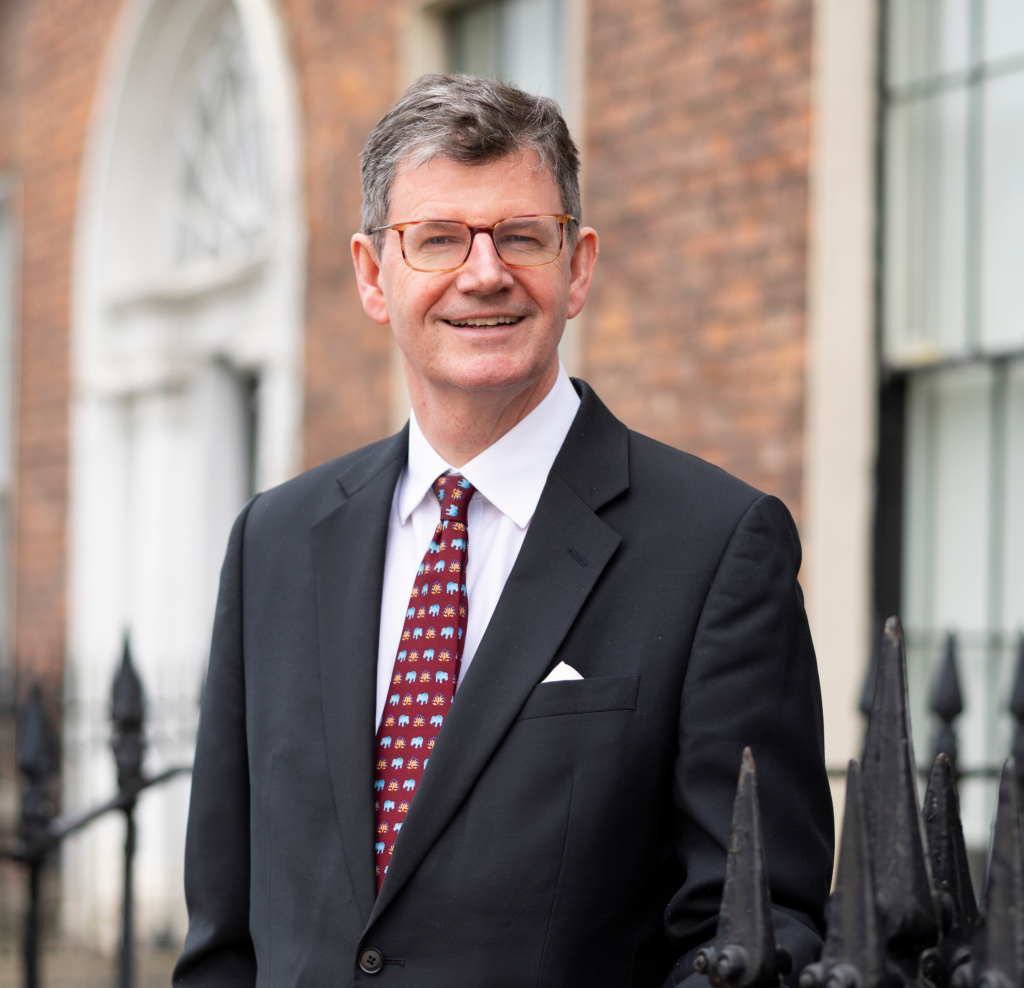
Paul Johnston
Director General, IUA
Description: Paul Johnston is the Director General of the Irish Universities Association having previously been British Ambassador to Ireland.
Paul joined the UK Civil Service in 1990 and has had a wide range of diplomatic roles. Paul became Ambassador to Ireland in September 2020. Before that he was UK Ambassador to the EU for Political and Security affairs from 2017 to January 2020 and Deputy Permanent Representative to NATO. From August 2011 to August 2015, he was British Ambassador to Sweden.
Name and Title:
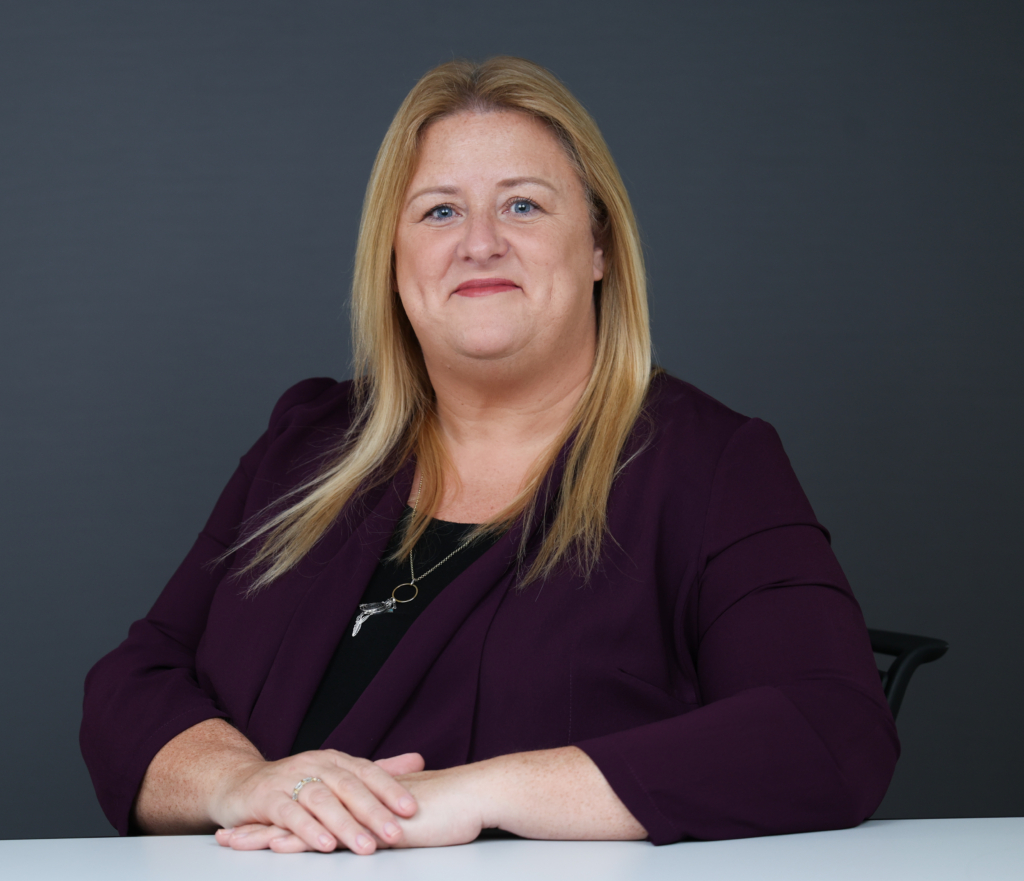
Dr Kara McGann
Head of Skills & Social Policy, Ibec
Description: Dr Kara McGann is Head of Skills & Social Policy at Ibec, Ireland’s largest business representative group.
Her role involves regular analysis of social and educational policy issues for a business audience, and as a strategic advisor to employers providing support on skills, labour market, diversity, equity and inclusion (DEI) and social sustainability policy and practice.
She is a member of the National Skills Council and Chair of its NTF working group, a member of the Expert Group on Future Skills Needs and the Labour Market Advisory Council, a board member of the Open Doors Initiative, represents Irish business on the Social Affairs Committee at Business Europe, and is Chair of their Labour Market Working Group.
Prior to joining Ibec in 2008, Kara held roles in industry as a Career Development Manager, Organisational Psychologist, and lectured at undergraduate, postgraduate and executive level.
Name and Title:
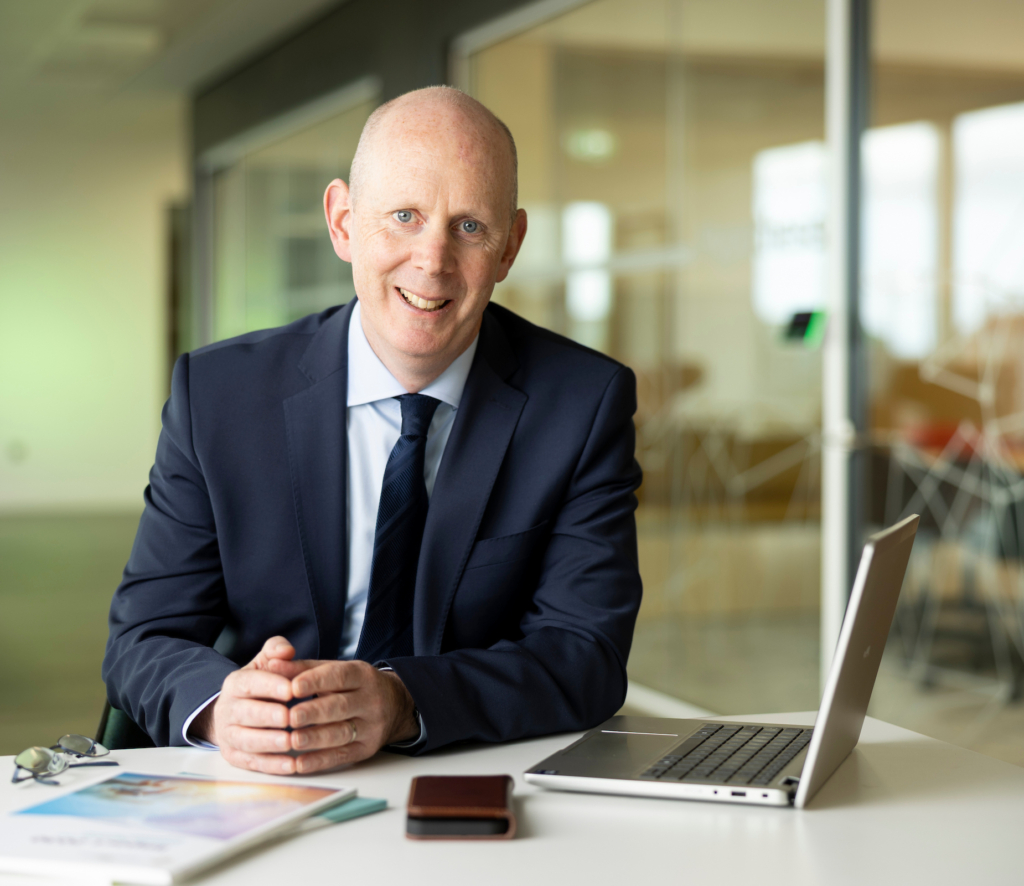
Dr Diarmuid O'Brien
CEO, Research Ireland
Link: Find out more
Description: Dr Diarmuid O’Brien joined Research Ireland as CEO in 2025.
Prior to this, Diarmuid was the Pro-Vice-Chancellor for Innovation at the University of Cambridge where he was responsible for innovation, enterprise partnership, research commercialisation, entrepreneurship, venture investment and engagement with local and national government on innovation and place. Previously, he was also the Chief Executive of Cambridge Enterprise, the innovation services organisation which supports the University of Cambridge.
During his time at Cambridge, Diarmuid led the creation of a number of initiatives to unlock innovation and offer enhanced support for translational funding and company creation, including Founders at the University of Cambridge and the Technology Investment Fund. He co-founded and Chaired Innovate Cambridge, a highly collaborative initiative defining and delivering an inclusive innovation future for the Cambridge ecosystem.
Previously Diarmuid was Chief Innovation and Enterprise Officer of Trinity College Dublin where he had responsibility for new campus development, innovation and enterprise partnerships.
He has held other senior management roles in research centres (CRANN, AMBER) and several university-founded start-up companies, including NTera, Xoliox, and Deerac Fluidics.
Diarmuid was a Research Fellow at Princeton University. He holds a PhD in Physics from the University of Sheffield and a degree in Materials Science from Trinity College Dublin.
Name and Title:
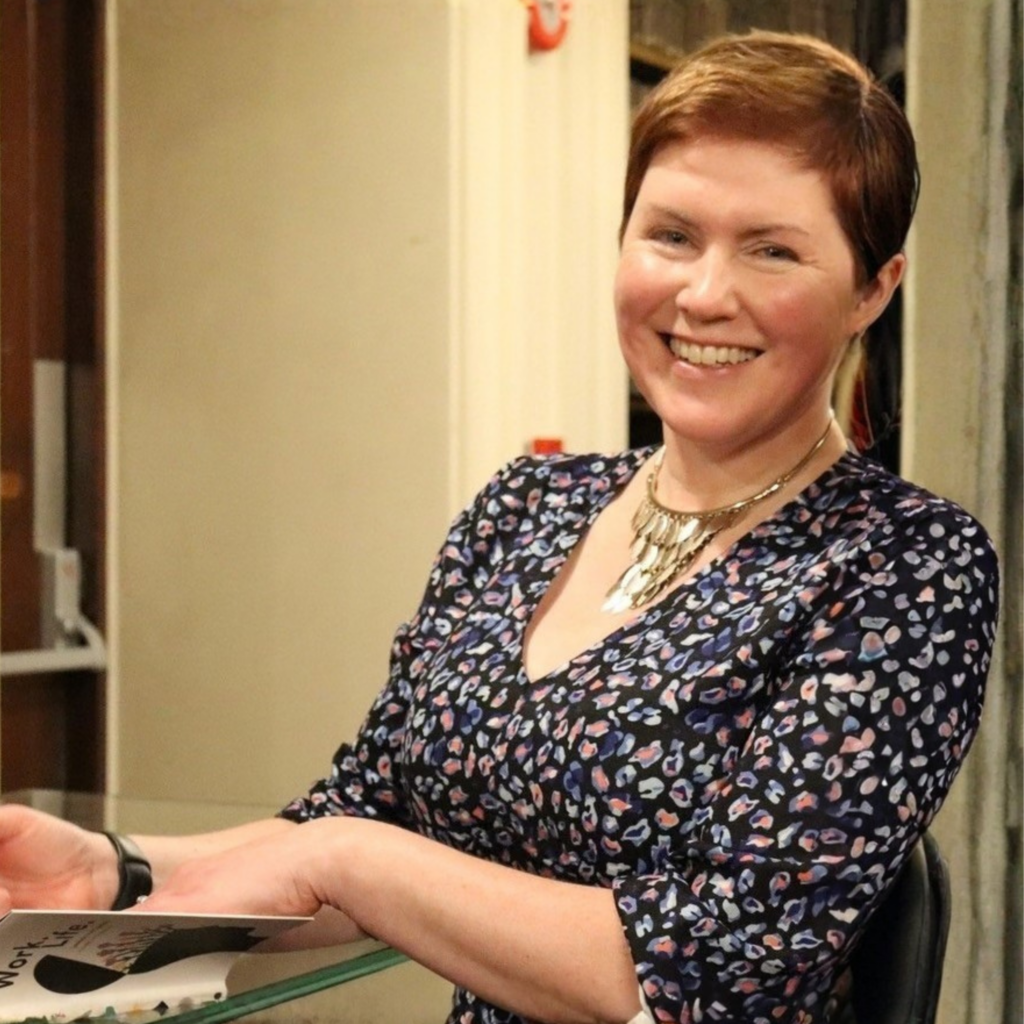
Dr Claire O'Connell
Journalist, The Irish Times
Link: Find out more
Description: Dr Claire O’Connell is a scientist who became a journalist.
She has a PhD in cell biology from University College Dublin and a Master’s in Science Communication from Dublin City University.
She has been writing about science, health, innovation and research for The Irish Times since 2005.
A look back at previous years...

The Three Minute Thesis (3MT®) is an academic research communication competition developed by The University of Queensland (UQ), Australia.